
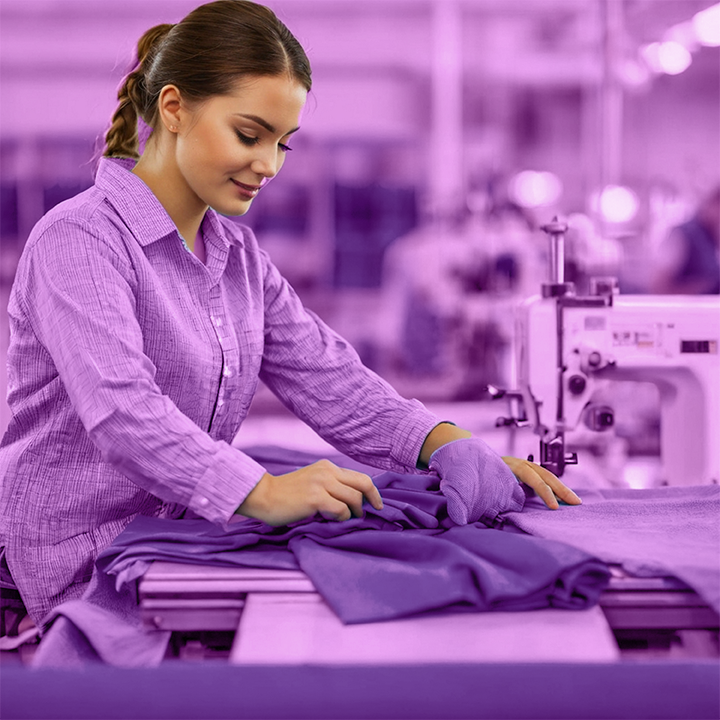
Behind the Seams: How Your Favorite Clothes Are Made
When you slip into your favorite shirt or zip up that cozy winter jacket, have you ever wondered what goes into making them perfect for the weather outside? From breathable cottons to insulated layers, the clothing we wear is thoughtfully designed to adapt to different climates. Let’s take a closer look behind the seams and explore how your everyday outfits are crafted for comfort, function, and style rain or shine.
Understanding Fabric Science
The first step in designing weather-appropriate clothing starts with selecting the right fabric. Lightweight cotton, linen, and rayon are popular choices for warmer months. These fabrics are breathable, moisture-wicking, and gentle on the skin, making them ideal for staying cool in the heat.
When it comes to colder months, the story changes completely. Wool, fleece, and padded synthetic materials like polyester come into play. These fabrics trap body heat and provide insulation, keeping you warm during chilly days. Today’s designers also use smart fabrics that regulate temperature, offering more versatility in unpredictable climates.
The Role of Layers
Designing for weather is not just about fabric it’s also about how clothes are structured. Think about layering. A lightweight tee, a mid-layer hoodie, and an outer shell jacket work together to offer adaptability. This system is used in everything from athletic wear to streetwear, allowing wearers to adjust according to sudden shifts in weather.
Manufacturers spend time engineering these layers so they not only function well but also fit perfectly together. That’s why your bomber jacket doesn’t feel bulky over your shirt, and your trench coat glides smoothly over your knitwear.
Stitching and Structure Matter
The seams and stitching techniques also differ depending on the weather the garment is made for. Clothes for rainy or snowy conditions often include taped seams, which prevent water from seeping in. Summer clothing tends to use flat seams or minimal stitching to enhance airflow and comfort.
Designers and tailors pay close attention to fit and shape, ensuring that airflow, flexibility, and coverage are all balanced. A well-stitched piece is not only stylish but also supports functionality over time, even after multiple washes and wears.
Sustainable Weather-Ready Fashion
As consumers become more conscious of their environmental impact, many brands are focusing on sustainable practices. This includes sourcing eco-friendly fabrics, using less water during production, and choosing natural dyes. Seasonal clothing is now being made to last beyond just one cycle, encouraging buyers to invest in pieces they can mix and match across temperatures.
Brands are also exploring biodegradable insulation and recycled polyester options that reduce landfill waste while still offering protection from the elements.
The next time you pull on a jacket or dress up for summer, know that there’s thoughtful craftsmanship behind every seam. From choosing weather-smart materials to tailoring for versatility and comfort, your wardrobe is designed to keep up with the seasons. Fashion isn’t just about looking good it’s about feeling right, no matter what the forecast says.
Let your closet be a celebration of both style and science, stitched together to suit every season.